Thursday, May 5, 2011

Skin Problems

Reviewed by: Louise Chang, MD on May 20, 2010
Source: WebMD  2010

Got Skin Problems?
Is your skin itching, breaking out, covered in a rash, or playing host to strange spots? Skin inflammation, changes in texture or color, and spots may be the result of infection, a chronic skin condition, or contact with an allergen or irritant. You can learn to recognize common adult skin problems. Yet, while many are minor, they may signal something more serious, so always consult a doctor for proper diagnosis.

Shingles (Herpes Zoster)
Shingles starts with burning, tingling, or very sensitive skin. A rash of raised dots develops into painful blisters that last about two weeks. Shingles often occurs on the trunk and buttocks, but can appear anywhere. Most people recover, but pain, numbness, and itching linger for many -- and may last for months, years, or the rest of their lives. Treatment with antiviral drugs, steroids, antidepressants, and topical agents can help.

Hives (Urticaria)
A common allergic reaction that looks like welts, hives are often itchy, stinging, or burning. Hives vary in size and may join together to form larger areas. They may appear anywhere and last minutes or days. Medications, foods, food additives, temperature extremes, and infections like strep throat are some causes of hives. Antihistamines can provide relief.

Psoriasis
A non-contagious rash of thick red plaques covered with white or silvery scales, psoriasis usually affects the scalp, elbows, knees, and lower back. The rash can heal and recur throughout life. The cause of psoriasis is unknown, but the immune system triggers new skin cells to develop too quickly. Treatments include medications applied to the skin, light therapy, and medications taken by mouth, injection or infusion.

Eczema
Eczema describes several non-contagious conditions where skin is inflamed, red, dry, and itchy. Stress, irritants (like soaps), allergens, and climate can trigger flare-ups though they're not eczema's cause, which is unknown. In adults, eczema often occurs on the elbows and hands, and in "bending" areas, such as inside the elbows. Treatments include topical or oral medications and shots.

Rosacea
Often beginning as a tendency to flush easily, rosacea causes redness on the nose, chin, cheeks, forehead, even the eyes. The redness may intensify over time, taking on a ruddy appearance with visible blood vessels. In some cases, thickened skin, bumps and pus-filled pimples can develop. Rosacea treatment includes medications as well as surgical procedures such as laser therapy, dermabrasion, and electrocautery to reshape affected areas.

Cold Sores (Fever Blisters)
Small, painful, fluid-filled blisters on the mouth or nose, cold sores are caused by the herpes simplex virus. Lasting about 10-14 days, cold sores are very contagious. Triggers can include fever, too much sun, stress, or hormonal changes such as menstruation. Antiviral pills or creams can be used as treatment, but call your doctor if sores contain pus, you have a fever greater than 100.5 degrees, or if your eyes become irritated.

Rash From Plants
Contact with the oily coating from poison ivy, oak, and sumac causes a rash in many people. It begins with redness and swelling at the contact site, then becomes intensely itchy with the development of blisters usually 12 to 72 hours after exposure. The typical rash is arranged as a red line on an exposed area, caused by the plant dragging across the skin. The rash usually lasts up to two weeks.

Soothe Itchy Plant Rashes
Prescription or over-the-counter medication may soothe the itching of mild rashes. Cool compresses and oatmeal baths may help with symptoms. For a severe rash, oral corticosteroid may be given. If the skin becomes infected, antibiotics may be necessary. Avoiding direct contact with the plants can prevent the rash, so learn to recognize poisonous plants. In general, poison oak grows west of the Rockies; poison ivy to the east.

Razor Bumps
Razor bumps are tiny, irritated bumps that develop after shaving. People with curly hair are most affected by them. The sharp edge of closely shaven hair can curl back and grow into the skin, causing irritation and pimples, and even scarring. To minimize razor bumps, take a hot shower before shaving, shave in the direction of hair growth, and don't stretch the skin while shaving. Rinse with cold water, then apply moisturizer.

Skin Tags
A skin tag is a small flap of flesh-colored or slightly darker tissue that hangs off the skin by a connecting stalk. They're usually found on the neck, chest, back, armpits, under the breasts, or in the groin area. Skin tags appear most often in women and elderly people. They are not dangerous and usually don't cause pain unless they become irritated by clothing or nearby skin rubbing against them. A doctor can remove a skin tag by cutting, freezing, or burning it off.

Acne
At the heart of acne lies a clogged pore from oil and dead skin cells that can become inflamed. When open, it is called a blackhead or open comedo; closed, a whitehead or closed comedo. Often seen on the face, chest, and back, acne can be triggered hormones and bacteria. To help control it, keep oily areas clean and don't squeeze pimples (it may cause infection and scars).

Athlete's Foot
A fungal skin infection that can cause peeling, redness, itching, burning, and sometimes blisters and sores, athlete's foot is contagious, passed by direct contact, sharing shoes worn by an infected person, or by walking barefoot in areas such as locker rooms or near pools. It's usually treated with topical antifungal lotions or oral medications for more severe cases. Keeping feet and the inside of shoes clean and dry is important in treatment.

Moles
Usually brown or black, moles can be anywhere on the body, alone or in groups, and generally appear before age 20. Some moles (not all) change slowly over the years, becoming raised, developing hair, and/or changing color. While most are non-cancerous, some moles have a higher risk of becoming cancerous. Have a dermatologist evaluate moles that change, have irregular borders, unusual or uneven color, bleed, or itch.

Age or Liver Spots
These pesky brown or gray spots are not really caused by aging, though they do become more common as people age. They're the result of sun exposure, which is why they tend to appear on areas that get a lot of sun, such as the face, hands, and arms. Bleaching creams, acid peels, and light-based treatments may lessen their appearance. To rule out serious skin conditions such as melanoma, see a dermatologist for proper identification.

Pityriasis Rosea
A harmless rash, pityriasis rosea usually begins with a single, scaly pink patch with a raised border. Days to weeks later, a scaly rash appears on the arms, legs, back, chest, and abdomen, and sometimes the neck. The rash may appear "Christmas tree" shaped across the body. The rash, whose cause is unknown, isn't believed to be contagious and can be itchy. It often goes away in 6-8 weeks without treatment. Pityriasis rosea is most often seen between the ages of 10 and 35.

Melasma ('Pregnancy Mask')
Melasma (chloasma) is characterized by tan or brown patches on the cheeks, nose, forehead, and chin. Although usually called the "pregnancy mask," men can also develop it. Melasma occurs in half of all women during pregnancy. It may go away after pregnancy but, if it persists, can be treated with prescription creams and over-the-counter products. Use a sunscreen at all times if you have melasma, as sunlight worsens the condition.

Warts
In most cases, common warts appear on the fingers or hands. Caused by contact with the contagious human papillomavirus, warts can spread from person to person or via contact with something used by a person with the virus. You can prevent spreading warts by not picking them, covering them with bandages, and keeping them dry. In most cases, warts are harmless, painless, and go away on their own. If they persist, treatments include freezing, surgery, lasers, and chemicals.

Seborrheic Keratoses
Noncancerous growths that may develop with age, seborrheic keratoses can appear on many areas of the skin either alone or in groups. They may be dark or multicolored, and they usually have a grainy surface, though they can be smooth and waxy. No treatment is necessary unless irritation develops or their appearance is a concern. Because seborrheic keratoses may be mistaken for moles or skin cancer, see a dermatologist for proper diagnosis.

Bipolar Disorder

Bipolar Disorder What Is It?
Bipolar disorder, sometimes called manic depression, is a disorienting condition that causes extreme shifts in mood. Like riding a slow-motion roller coaster, patients may spend weeks feeling like they're on top of the world before plunging into a relentless depression. The length of each high and low varies greatly from person to person. In any given year, bipolar disorder affects more than 2% of American adults.
Depressive Phase Symptoms
Without treatment, a person with bipolar disorder may experience intense episodes of depression. Symptoms include sadness, anxiety, loss of energy, hopelessness, and difficulty concentrating. Patients may lose interest in activities that were once pleasurable. They may gain or lose weight, sleep too much or too little, and contemplate suicide.

Manic Phase Symptoms
During a manic phase, patients tend to feel euphoric and may believe they can accomplish anything. This can result in inflated self-esteem, agitation, reduced need for sleep, being more talkative, being easily distracted, and a sense of racing thoughts. Reckless behaviors, including spending sprees, sexual indiscretions, fast driving, and substance abuse, are common. Having three or more of these symptoms nearly every day for a week may indicate a manic episode.

Bipolar I vs. Bipolar II
People with bipolar I disorder have manic episodes or mixed episodes and often have one or more depressive episodes. People with bipolar II have major depressive episodes with less severe mania; they experience hypomania, a condition that is less intense than mania or lasting less than a week. Patients may seem like the “life of the party” -- full of charm and humor. They may feel and function fine, even if family and friends can see the mood swing. However, hypomania can lead to mania or depression.

Mixed Episode
People with mixed episode experience depression and mania at the same time. This leads to unpredictable behavior, such as sadness while doing a favorite activity or feeling very energetic. It’s more common in people who develop bipolar disorder at a young age, particularly during adolescence. But some estimates suggest up to 70% of bipolar patients experience mixed episodes.

Causes of Bipolar Disorder
Doctors aren't exactly sure what causes bipolar disorder. A leading theory is that brain chemicals fluctuate abnormally. When levels of certain chemicals become too high, the patient develops mania. When levels drop too low, depression may result.

Bipolar Disorder: Who's at Risk?
Bipolar disorder affects males and females equally. In most cases, the onset of symptoms is between 15 and 30 years old. People are at higher risk if a family member has been diagnosed, especially if it’s a first degree relative, but doctors don’t think the disorder kicks in based on genetics alone. A stressful event, drug abuse, or other unknown factor may trigger the cycle of ups and downs.

Bipolar Disorder and Daily Life
Bipolar disorder can disrupt your goals at work and at home. In one survey, 88% of patients said the illness took a toll on their careers. The unpredictable mood swings can drive a wedge between patients and their co-workers or loved ones. In particular, the manic phase may scare off friends and family. People with bipolar disorder also have a higher risk of developing anxiety disorders.

Bipolar Disorder and Substance Abuse
About 60% of people with bipolar disorder have trouble with drugs or alcohol. Patients may drink or abuse drugs to relieve the uncomfortable symptoms of their mood swings. This is especially common during the reckless manic phase.

Bipolar Disorder and Suicide
People with bipolar disorder are 10 to 20 times more likely to commit suicide than people without the illness. Warning signs include talking about suicide, putting affairs in order, and inviting death with risky behavior. Anyone who appears suicidal should be taken very seriously. Do not hesitate to call one of the suicide hotlines: 1-800-SUICIDE (1-800-784-2433) and 1-800-273-TALK (1-800-273-8255). If you have a plan to commit suicide, go to the emergency room for immediate treatment.

Diagnosing Bipolar Disorder
A crucial step in diagnosing bipolar disorder is to rule out other possible causes of extreme mood swings. These may include brain infection or other neurological disorders, substance abuse, thyroid problem, HIV, ADHD, side effects of certain medications, or other psychiatric disorders. There is no lab test for bipolar disorder. A psychiatrist usually makes the diagnosis based on a careful history and evaluation of the patient’s mood and other symptoms.

Medications for Bipolar Disorder
Medications are key in helping people with bipolar disorder live stable, productive lives. Mood stabilizers can smooth out the cycle of ups and downs. Patients may also be prescribed antipsychotic drugs and anticonvulsant drugs. Between acute states of mania or depression, patients typically stay on maintenance medication to avoid a relapse.

Talk Therapy for Bipolar Disorder
Talk therapy can help patients stay on medication and cope with their disorder's impact on work and family life. Cognitive behavioral therapy focuses on changing thoughts and behaviors that accompany mood swings. Interpersonal therapy aims to ease the strain bipolar disorder may place on personal relationships. Social rhythm therapy helps patients develop and maintain daily routines.

Lifestyle Tips for Bipolar Disorder
Establishing firm routines can help manage bipolar disorder. Routines should include sufficient sleep, regular meals, and exercise. Because alcohol and recreational drugs can worsen the symptoms, these should be avoided. Patients should also learn to identify their personal early warning signs of mania and depression. This will allow them to get help before an episode spins out of control.

Electroconvulsive Therapy (ECT)
Electroconvulsive therapy can help some people with bipolar disorder. ECT uses an electric current to cause a seizure in the brain. It is one of the fastest ways to ease severe symptoms. ECT is usually a last resort when a patient does not improve with medication or psychotherapy.

Educating Friends and Family
Friends and family may not understand bipolar disorder at first. They may become frustrated with the depressive episodes and frightened by the manic states. If patients make the effort to explain the illness and how it affects them, loved ones may become more compassionate. Having a solid support system can help people with bipolar disorder feel less isolated and more motivated to manage their condition.

When Someone Needs Help
Many people with bipolar disorder don't realize they have a problem or avoid getting help. If you're concerned about a friend or family member, here are a few tips for broaching the subject. Point out that millions of Americans have bipolar disorder, and that it is a treatable illness – not a personality flaw. There is a medical explanation for the extreme mood swings, and effective treatments are available.


Breast Cancer

Breast Cancer Today
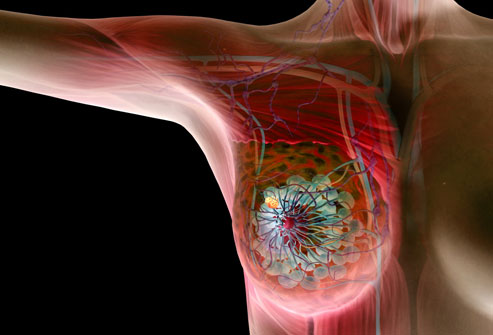
 Breast cancer today is not what it was 20 years ago. Survival rates are climbing, thanks to greater awareness, more early detection, and advances in treatment. For roughly 200,000 Americans who are diagnosed with breast cancer each year, there are plenty of reasons to be hopeful.

Breast Cancer Symptoms
There are often no symptoms of breast cancer, but sometimes women may discover a breast problem on their own. Signs and symptoms to be aware of may include:
  • A painless lump in the breast.
  • Changes in breast size or shape.
  • Swelling in the armpit.
  • Nipple changes or discharge.

Breast pain can also be a symptom of cancer, but this is not common.

Signs of Inflammatory Breast Cancer
Inflammatory breast cancer is a rare, fast-growing type of cancer that often causes no distinct lump. Instead, breast skin may become thick, red, and may look pitted -- like an orange peel. The area may also feel warm or tender and have small bumps that look like a rash.

Breast Cancer and Mammograms
The earlier breast cancer is found, the easier it is to treat. And mammograms, X-rays of the breast, can detect tumors before they are large enough to feel. The American Cancer Society recommends yearly mammograms beginning at age 40 for women at average risk. While the U.S. Preventive Services Task Force recommends a screening mammogram every two years from age 50 to 74. It also notes that before age 50, each woman should check with a doctor to find out what screening schedule is right for her, considering the potential benefits and harms from screening.

Breast Ultrasound and MRI
Besides a mammogram,  your doctor may order additional imaging with breast ultrasound. An ultrasound can help determine the presence of cysts, fluid-filled sacs that are not cancer. An MRI may be recommended along with a mammogram for routine screening in certain women who have a higher risk of breast cancer.

Breast Self-Exams
It was once widely recommended that women check their own breasts once a month. But studies suggest these breast self-exams play a very small role in finding cancer. The current thinking is that it’s more important to know your breasts and be aware of any changes, rather than checking them on a regular schedule. If you want to do breast self-exams, be sure to go over the technique with your doctor.

What If You Find a Lump?
First, don’t panic. Eighty percent of breast lumps are not cancerous. Lumps often turn out to be harmless cysts or tissue changes related to your menstrual cycle. But you should let your doctor know right away if you find anything unusual in your breast. If it is cancer, the earlier it’s found the better. And if it’s not, testing can give you peace of mind.

Breast Biopsy
The only sure way to determine whether a lump is cancer is to do a biopsy. This involves taking a tissue sample for further examination in the lab, sometimes through a small needle. Sometimes surgery is done to take part of or the entire lump for testing. The results will show whether the lump is cancer, and if so, what type. There are several forms of breast cancer, and treatments are carefully matched to the type of cancer.

Hormone-Sensitive Breast Cancer

Some types of breast cancer are fueled by the hormones estrogen or progesterone. A biopsy can reveal whether a tumor has receptors for estrogen (ER-positive) and/or progesterone (PR-positive). About two out of three breast cancers are hormone sensitive. There are several medications that keep the hormones from promoting further cancer growth.
The image shows a molecular model of an estrogen receptor.

HER2-Positive Breast Cancer

In about 20% of patients, breast cancer cells have too many receptors for a protein called HER2. This type of cancer is known as HER2-positive, and it tends to spread faster than other forms of breast cancer. It’s important to determine whether a tumor is HER2-positive, because there are special treatments for this form of cancer.
A HER2-positive breast cancer cell is illustrated here, with abnormal growth signals shown in green.

Breast Cancer Stages
Once breast cancer has been diagnosed, the next step is to determine how big the tumor is and how far the cancer has spread. This process is called staging. Doctors use Stages 0-4 to describe whether cancer is localized to the breast, has invaded nearby lymph nodes, or has spread to other organs, such as the lungs. Knowing the stage and type of breast cancer will help your health care team formulate a treatment strategy.

Breast Cancer Survival Rates
The odds of surviving breast cancer are strongly tied to how early it is found. According to the American Cancer Society, 100% of women with Stage 1 breast cancer live at least five years, compared to women without cancer – and many women in this group remain cancer-free for good.  The more advanced the cancer, the lower this figure becomes. By Stage 4, the five-year relative survival rate declines to 20%. But these rates can improve as more effective treatments are found.

Breast Cancer Surgery
There are many types of breast cancer surgery, from taking out the area around the lump (lumpectomy or breast-conservation surgery) to removing the entire breast (mastectomy.) It’s best to discuss the pros and cons of each of these procedures with your doctor before deciding what’s right for you.

Radiation Therapy for Breast Cancer
Radiation therapy uses high-energy rays to kill cancer cells. It may be used after breast cancer surgery to wipe out any cancer cells that remain. It can also be used along with chemotherapy for treatment of cancer that has spread to other parts of the body. Side effects can include fatigue and swelling or a sunburn-like feeling in the treated area.

Chemotherapy for Breast Cancer
Chemotherapy uses drugs to kill cancer cells anywhere in the body. The drugs are often given by IV, but are sometimes taken by mouth or shot. Chemotherapy may be done after surgery to lower the odds of the cancer coming back. In women with advanced breast cancer, chemotherapy can help control the cancer’s growth. Side effects may include hair loss, nausea, fatigue, and a higher risk of infection.

Hormone Therapy for Breast Cancer
Hormone therapy is an effective treatment for women with ER-positive or PR-positive breast cancer. These are cancers that grow more rapidly in response to the hormones estrogen or progesterone. Hormone therapy can block this effect. It is most often used after breast cancer surgery to help keep the cancer from coming back. It may also be used to reduce the chance of breast cancer developing in women who are at high risk.

Targeted Drugs for Breast Cancer
Targeted therapies are newer drugs that target specific properties within cancer cells. For example, women with HER2-positive breast cancer have too much of a protein called HER2. Targeted therapies can stop this protein from promoting the growth of cancer cells. These drugs are often used in combination with chemotherapy. They tend to have milder side effects compared to chemotherapy.

Life After Diagnosis
There’s no doubt that cancer is a life-changing experience. The treatments can wear you out. You may have trouble managing daily chores, work, or social outings. This can lead to feelings of isolation. It’s crucial to reach out to friends and family for support. They may be able to go with you to treatments, help out with chores, or just remind you that you are not alone. Many people choose to join a support group -- either locally or online.

Breast Reconstruction
Many women who have a breast removed choose to undergo reconstructive surgery. This replaces the skin, nipple, and breast tissue that are lost during a mastectomy. Reconstruction can be done with a breast implant or with tissue from somewhere else in your body, such as the tummy. Some women opt to begin reconstruction at the same time as their mastectomy. But it’s also possible to have reconstructive surgery months or years later.

Breast Forms
An alternative to breast reconstruction is to be fitted for a breast form. This is a breast-shaped prosthesis that fits inside your bra. Wearing a breast form allows you to have a balanced look when you are dressed -- without undergoing additional surgery. Like reconstructive surgery, breast forms are often covered by insurance.

Breast Cancer: Why Me?
The most obvious risk factor for breast cancer is being a woman. Men get the disease, too, but it is about 100 times more common in women. Other top risk factors include being over age 55 or having a close relative who has had the disease. But keep in mind that up to 80% of women with breast cancer have no family history of the illness.

Breast Cancer Genes
Some women have a very high risk of breast cancer because they inherited changes in certain genes. The genes most commonly involved in breast cancer are known as BRCA1 and BRCA2. Women with mutations in these genes have up to an 80 percent chance of getting breast cancer at some point in life. Other genes may be linked to breast cancer risk as well.

Risk Factors in Your Control
Being overweight, getting too little exercise, and drinking more than one alcoholic beverage per day can raise the risk of developing breast cancer. Birth control pills and some forms of postmenopausal hormone therapy can also boost your risk. But the risk goes back to normal after these medications are stopped. Among survivors, good lifestyle choices may be helpful. Recent studies suggest that physical activity may help lower the risk of a recurrence and it's a proven mood-booster.

Breast Cancer Research
Doctors continue to search for more effective and tolerable treatments for breast cancer. The funding for this research comes from many sources, including advocacy groups throughout the country. Many of the 2.5 million breast cancer survivors and their families choose to participate in walk-a-thons and other fundraising events. This links each individual fight against cancer into a common effort for progress.